Resources
A collection of tutorials, technical documentation, and community-driven guides to help you implement BirdNET in your research or personal projects.
Video Guides
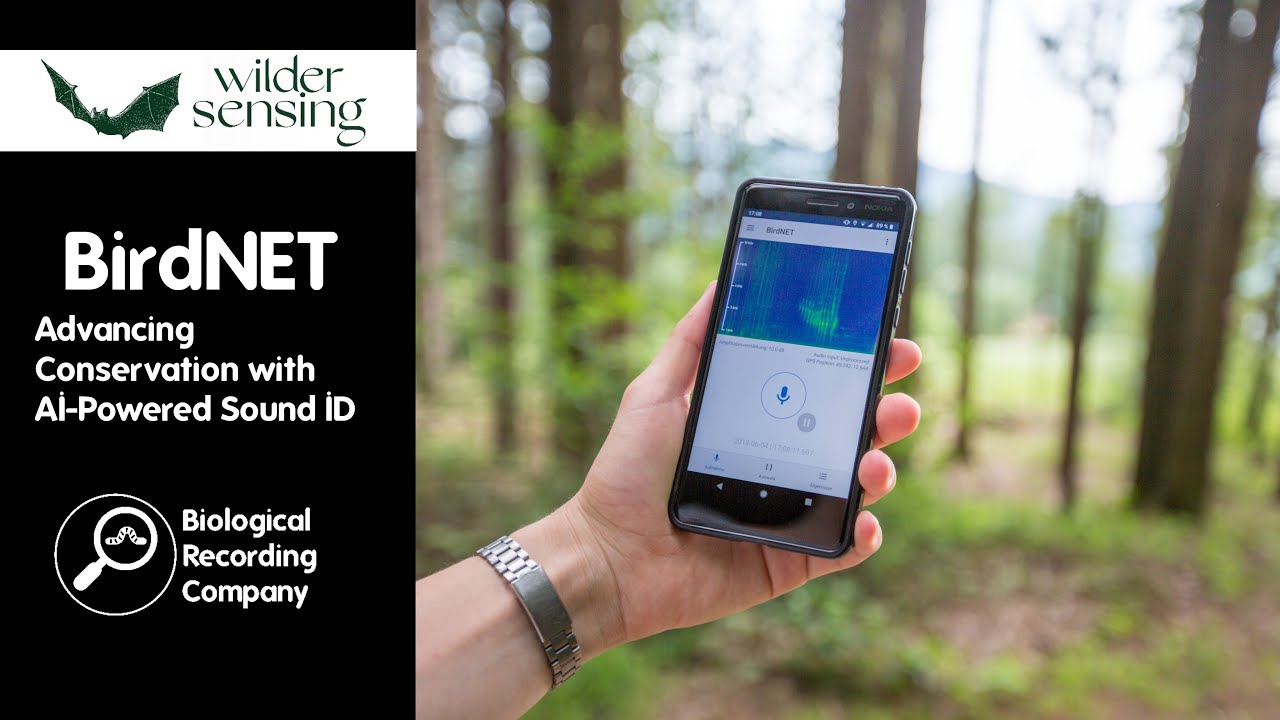
BirdNET: Advancing Conservation with AI Powered Sound ID
An overview of how BirdNET's AI tools are used to automate large-scale audio analysis for bird identification, supporting conservation research and ecological monitoring.
The BirdNET Project: Top-Down and Bottom-Up Opportunities
A presentation outlining the BirdNET project's potential for bird conservation, describing how the app and associated technologies support both broad monitoring and detailed research.
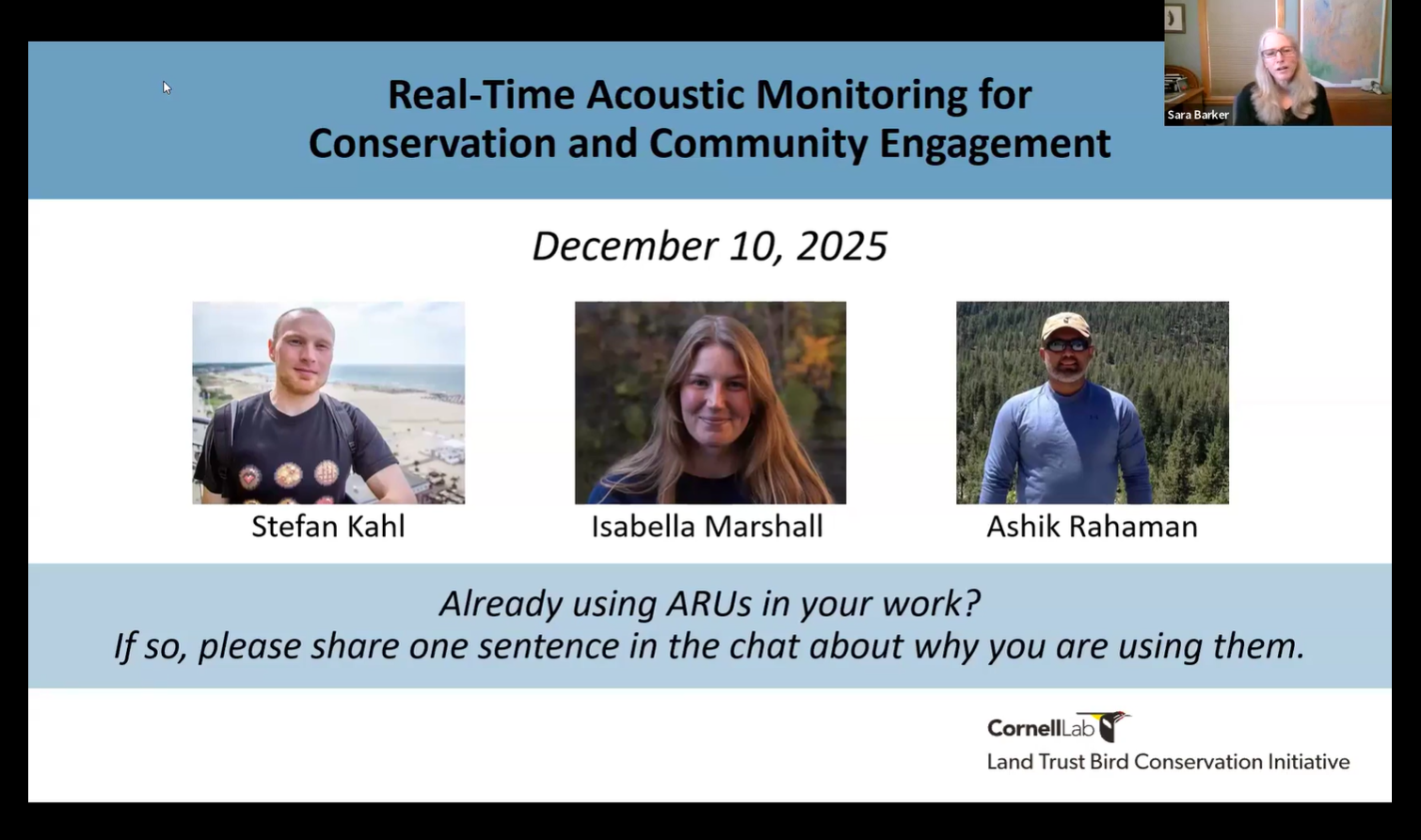
Real-Time Acoustic Monitoring for Conservation and Community Engagement
This recorded webinar explores how solar-powered, real-time recording units—equipped with cutting-edge AI tools—can help land stewards detect species, monitor ecosystems, and share the sounds of their landscapes with the public.
BirdNET – Vogelstimmenerkennung mit KI In German
A scientific talk by Dr. Stefan Kahl on how birds serve as environmental indicators and how AI-powered BirdNET technology offers new approaches for research and conservation.
BirdNET : Tips, Tricks, and Insights for Ecoacoustic Analysis
A practical video covering tips, tricks, and insights for using BirdNET and similar machine learning tools for ecoacoustic analysis, model interpretation, and workflow setup.
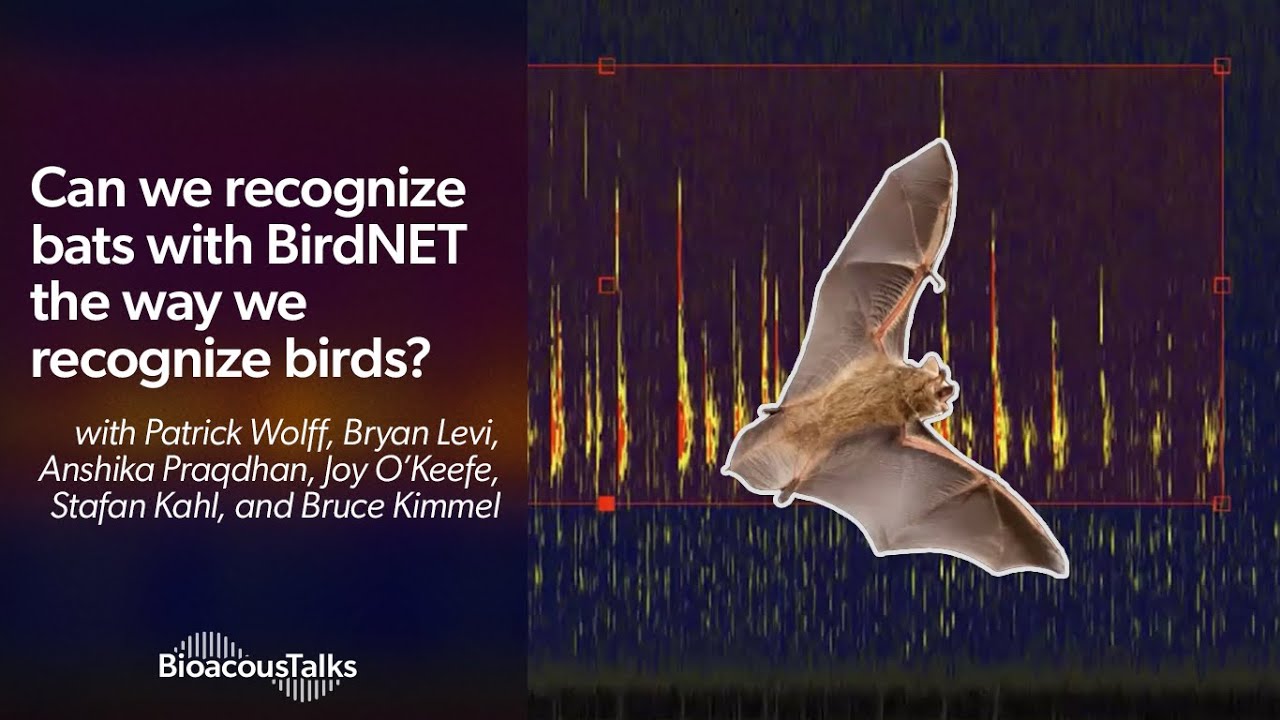
BioacousTalks: BirdNET for Bats?
A BioacousTalks session discussing extensions and applications of BirdNET-style acoustic classification methods to bat bioacoustics and broader acoustic detection contexts.
BioacousTalks: Custom Machine Learning Models with BirdNET Analyzer
A BioacousTalks presentation with Stefan Kahl (BirdNET creator) on building custom machine learning models using BirdNET Analyzer, useful for extending BirdNET to new taxa or environments.
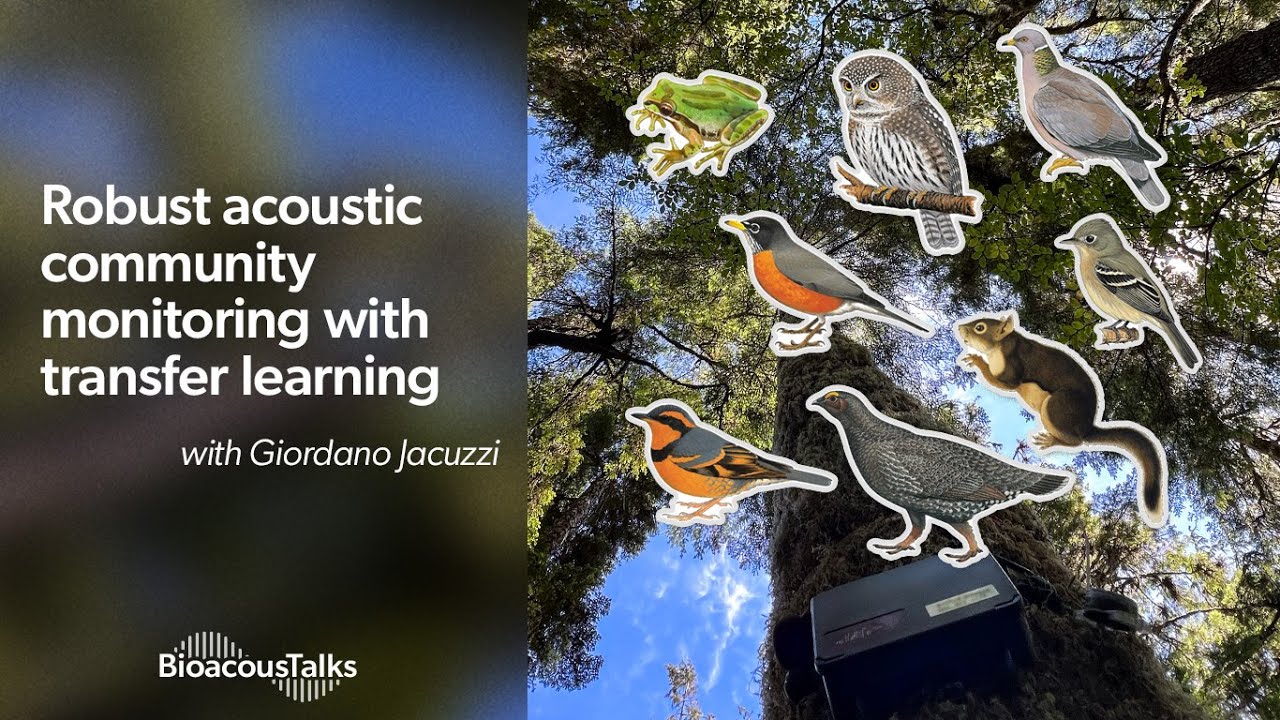
BioacousTalks: Robust Acoustic Community Monitoring with BirdNET
A video on using BirdNET models in real acoustic monitoring projects, showcasing community-level bioacoustic surveys and minimal local training adaptations.
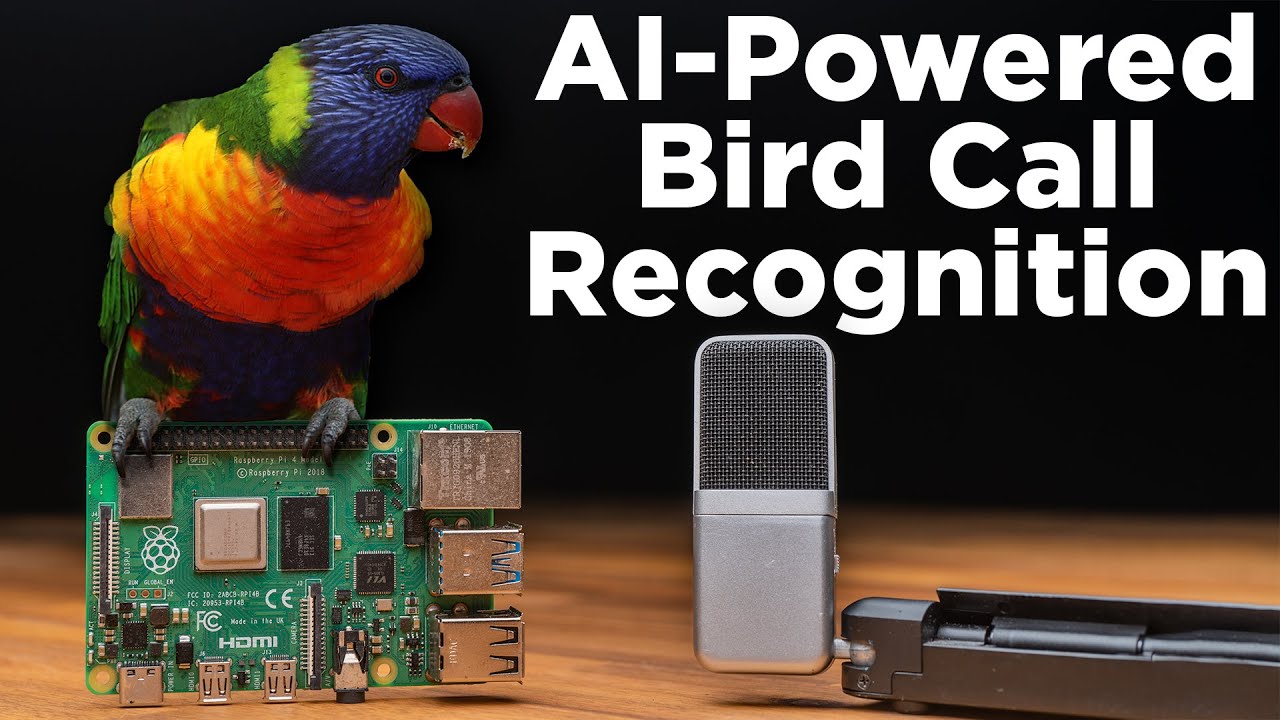
Use Sound and Machine Learning to Identify Birds
An introduction to using sound and machine learning for bird identification, reviewing how models like BirdNET classify audio signals from spectrograms.
More Bioacoustics Videos
Watch the BioacousTalk series and more from the K. Lisa Yang Center for Conservation Bioacoustics.
Visit ChannelArticles & Community Resources
BirdNET-Analyzer Documentation
Comprehensive documentation for the BirdNET-Analyzer, including installation instructions, usage examples, and API reference.
Read DocumentationCommunity Discussions
Join the conversation on GitHub. Ask questions, share your projects, and connect with other BirdNET users.
Visit DiscussionsAI-powered BirdNET app makes citizen science easier
Cornell Lab explains how the BirdNET app applies deep learning to bird sound identification and expands participation in research.
Read ArticleBird call app downloaded 1M+ times worldwide
TU Chemnitz reports on the rapid global adoption of the BirdNET app, highlighting its scientific origins and public impact.
Read ArticleHow AI is helping scientists protect birds
National Geographic discusses how tools such as BirdNET are reshaping bird conservation and research workflows.
Read ArticleEavesdropping (On Birds) Has a Smart New Tool
An NPS feature exploring how BirdNET’s AI is used to detect bird species across US national parks.
Read ArticleAcoustics for Forest Management
Cornell Lab describes a large acoustic network helping protect fire-prone forests in California’s Sierra Nevada.
Read ArticleWhat Conservation Sounds Like
This bioGraphic article explores how bioacoustic tools are revolutionizing field research and conservation practice.
Read ArticleCommunity & Ecosystem
Bioacoustics StackExchange
Community Q&A on troubleshooting and using BirdNET via Bioacoustics StackExchange.
Visit Q&AReddit Community
Community discussions and support for BirdNET Analyzer on Reddit.
Visit r/BirdNET_AnalyzerBirdNET-Pi
Real-time acoustic bird ID for Raspberry Pi. A popular community-led project.
Visit BirdNET-Pi